The market for renewable energy certificates in Australia is currently in freefall. Prices are dropping like a stone, making the cost of being green much cheaper for your retailer. Make sure it gets cheaper for you, too.
The Australian Energy Market Commission (AEMC) is officially starting its Accelerating Smart Meter Deployment (ASMD) reforms. If you don’t already have a smart meter, you will by the end of 2030.
In an era of rising energy costs and growing environmental concerns, it's important to understand which appliances consume the most electricity. By identifying these energy guzzlers, you can make informed decisions about upgrades and usage habits to reduce your energy bills and carbon footprint.
Let's dive into the top 10 highest electricity-consuming common household appliances in Australia, exploring why they use so much power and how you can optimize their efficiency.
Sign up for Savings as a Service
Energy bill savings updates and advice from the Bill Hero team every month
No spam. Unsubscribe anytime.
Air Conditioning
40-50% of theaverage energy bill, Energy consumption: 900-4,000 watts per hour
Air conditioning systems are often the largest energy consumers in Australian homes, especially during hot summers.
Why it consumes so much: Cooling large spaces and constantly maintaining a set temperature demands a lot of energy, particularly when outdoor temperatures are high.
Efficiency gains: Upgrading to a newer, high-efficiency AC system can reduce energy consumption by 20-40%. Look for models with the highest star rating on their Energy Rating Labels
Close off gaps to eliminate drafts, close doors and windows, and shut the curtains before the heat of the day sets in.
Best practices:
Set your thermostat to 24-26°C in summer
Use ceiling fans to improve air circulation
Regularly clean or replace air filters
Consider a smart thermostat to optimize cooling schedules
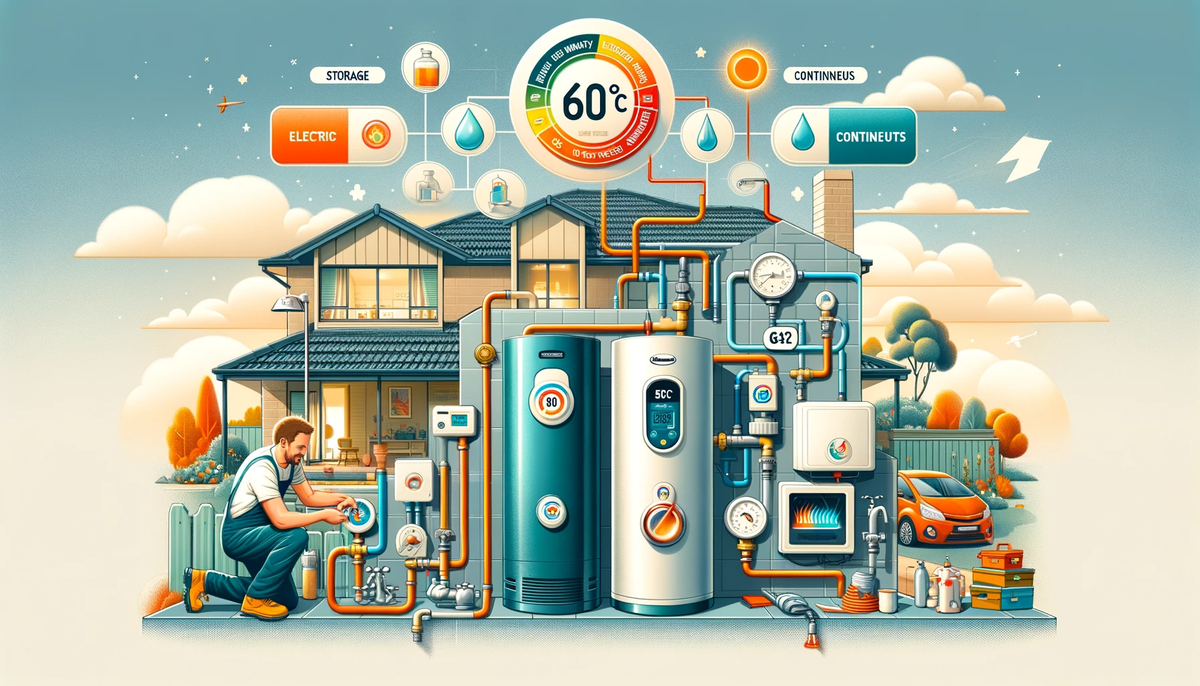
Electric Water Heater
15-25% of average energy bill, 3,000-4,800 watts per hour
Water heaters are significant energy consumers in Australian homes, as they constantly work to maintain hot water.
Why it consumes so much: Heating water requires a lot of energy, and traditional tank-style heaters must keep a large volume of water hot at all times.
Efficiency gains: Switching to a heat pump water heater can save up to 60% on water heating costs. Solar hot water systems are another efficient option popular in Australia. Continuous hot water systems may be more efficient than storage systems if you're a low usage household.
Best practices:
Set water heater temperature to 60°C to prevent Legionella growth (as per Australian standards)
Insulate your water heater tank and pipes
Use cold water for laundry when possible
Fix any leaky taps promptly
Refrigerator
8-15% of average energy bill, 100-200 watts per hour
Refrigerators run 24/7 to keep food cold, making them one of the biggest energy users in most Australian homes.
Why it consumes so much: Constantly maintaining a cold temperature requires significant energy, especially in warm kitchens or when the door is frequently opened.
Efficiency gains: Modern refrigerators with high Energy Rating Labels can use up to 40% less energy than older models.
Best practices:
Keep your refrigerator at the optimal temperature (3-4°C for the fridge, -15 to -18°C for the freezer)
Ensure proper sealing of doors and clean condenser coils regularly
Avoid placing hot foods directly in the fridge
Keep the refrigerator full, as cold items help maintain temperature
Lighting
Up to 15% of the average energy bill, individual bulbs can consume between 5 and 100 watts
Why It Consumes So Much Energy: Older incandescent bulbs are particularly energy-inefficient, converting most of the energy they consume into heat rather than light.
Efficiency Gains Through Upgrading: Replacing incandescent bulbs with LED bulbs can reduce energy consumption by up to 80%. LED bulbs also have a much longer lifespan, further reducing costs and energy usage.
Strategies for Reducing Energy Consumption:
Replace all incandescent bulbs with LEDs.
Use dimmers and motion sensors to control lighting usage.
Take advantage of natural light during the day by opening blinds and curtains.
Turn off lights when leaving a room.
Clothes Dryer
5-10% of average energy bill, 2,000-4,000 watts per hour
Clothes dryers consume a significant amount of energy due to the heat required to remove moisture from clothes.
Why it consumes so much: Generating high heat to evaporate water from fabric is an energy-intensive process.
Efficiency gains: Heat pump dryers, while more expensive, can use up to 50% less energy than conventional dryers.
Best practices:
Use the moisture sensor option if available
Clean the lint filter before each use
Dry full loads, but don't overload
Don't rely on the clothes dryer, use it sparingly, as a backup to your clotheslines or drying racks, for when its raining outside or when you need some clothes dried in a hurry.
Electric Oven and Stove
3-6% of the average energy bill, Oven: 2,000-2,500 watts per hour; Stove: 1,200-3,000 watts per hour (per element)
Electric ovens and stoves can be significant energy consumers in Australian households, especially if used frequently for long periods.
Why it consumes so much: Heating elements in ovens and stoves require a lot of power to reach and maintain high temperatures.
Efficiency gains: Induction cooktops are about 10% more efficient than traditional electric stoves. Fan-forced ovens can reduce energy use compared to conventional ovens.
Best practices:
Use lids on pots and pans to reduce cooking time
Match pot size to burner size
Use a microwave or toaster oven for smaller meals
Avoid opening the oven door unnecessarily while cooking
When using the oven, cook multiple dishes, either at once or in sequence, to make the most of the energy required to bring it up to temperature.
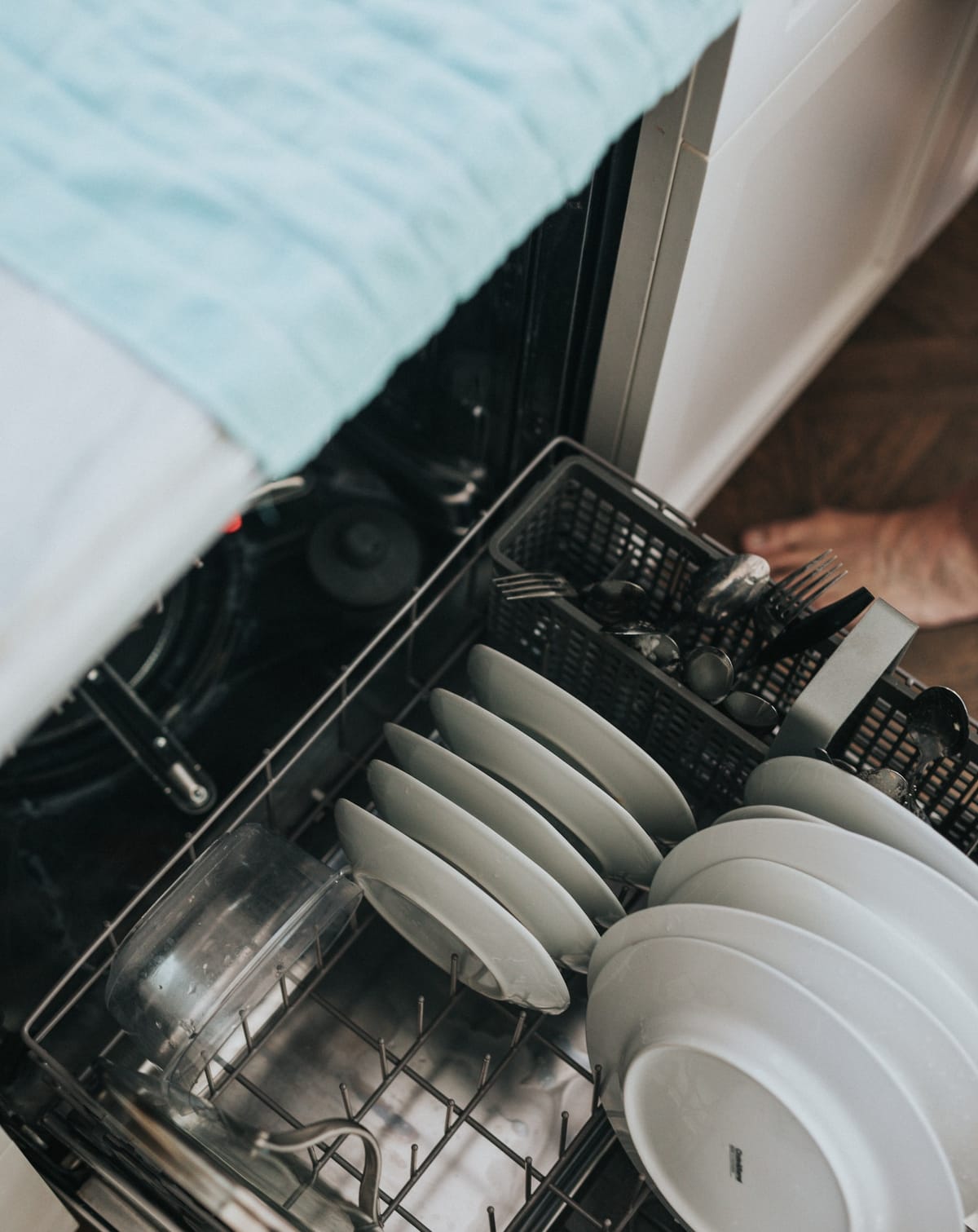
Dishwasher
2-4% of average energy bill, 1,200-2,400 watts per hour when running
Dishwashers are more efficient than hand washing, but they still consume a significant amount of electricity in Australian homes, primarily for heating water.
Why it consumes so much: Heating water for hot washes and powering the motor for agitation and spinning requires significant energy.
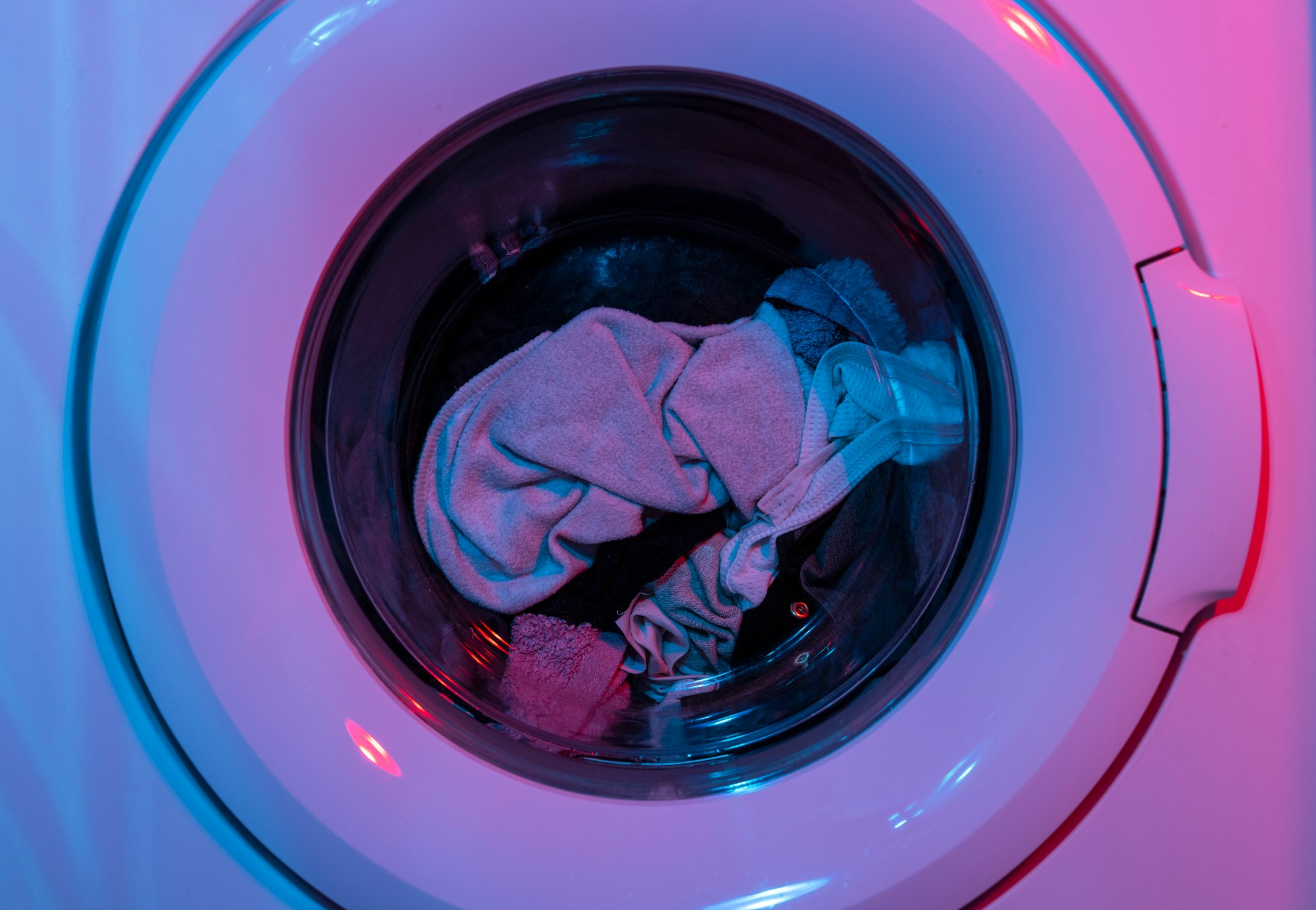
Efficiency gains: Front-loading washing machines typically use less water and energy than top-loaders. Look for models with high Energy Rating Labels.
Best practices:
Wash clothes in cold water whenever possible
Run full loads
Use high-spin speeds to reduce drying time
Choose the appropriate water level for each load
Desktop Computer and Monitor
2-5% of the theaverage energy bill, 60-250 watts per hour for desktop; 20-40 watts per hour for the monitor
While not as energy-intensive as some appliances, computers left on for long periods can significantly increasethe energy consumption in Australian homes.
Why it consumes so much: Continuous operation, especially with high-performance components, can lead to substantial energy use over time.
Efficiency gains: Look for computers and monitors with high Energy Rating Labels, which can be up to 50% more energy efficient than standard models.
Best practices:
Use sleep or hibernate mode when not in use
Turn off the computer and monitor when not needed for extended periods
Consider switching to a laptop, which typically uses less energy
Adjust power management settings for optimal efficiency
Television
3-6% of the average energy bill, 80-400 watts per hour, depending on size and technology
Modern large-screen TVs, especially when used for extended periods, can be significant energy consumers in Australian households.
Why it consumes so much: Larger screens and higher resolutions require more power to operate. Additionally, many TVs consume energy even when turned off due to standby power.
Efficiency gains: Look for TVs with high Energy Rating Labels, which can be up to 30% more energy efficient than standard models.
Best practices:
Adjust brightness settings lower for energy savings
Turn off the TV when not actively watching
Use a power board to completely cut power when not in use
Consider the energy efficiency rating when purchasing a new TV
Understanding these top energy consumers and their wattage in your Australian home can help you make informed decisions about upgrades and usage habits.
Remember, even small changes in how you use these appliances can lead to significant energy savings over time. Consider energy efficiency when purchasing new appliances, and always look for high Energy Rating Labels. With mindful use and strategic upgrades, you can reduce your energy consumption, lower your utility bills, and contribute to a more sustainable future for Australia.
Have your say
Got opinions about the top energy consuming appliances? Have your say in the comments, but please first read and understand our Community Guidelines.
Eliminating gas can reduce fuel costs, deliver health and environmental benefits, while future-proofing your home. Here’s your comprehensive guide to getting rid of gas from your home.
Victorian solar households are facing bad news: The new minimum FiT Final Decision from the Essential Services Commission has lowered minimum FiT rates to 0.04 c/kWh.
Savings as a Service is the blog site and newsletter from Bill Hero. Subscribe now and get your energy savings tips and information delivered fresh to your inbox every month.