The market for renewable energy certificates in Australia is currently in freefall. Prices are dropping like a stone, making the cost of being green much cheaper for your retailer. Make sure it gets cheaper for you, too.
The Australian Energy Market Commission (AEMC) is officially starting its Accelerating Smart Meter Deployment (ASMD) reforms. If you don’t already have a smart meter, you will by the end of 2030.
NSW regulator finds that demand plans are more expensive
NSW regulator IPART’s 2024 Annual Report finds that customers on demand tariffs face annual bills $200 to $300 higher than flat-rate or time-of-use plans
As the energy landscape evolves, so too does the way we pay for electricity. One of the most significant changes in recent years has been the introduction of demand tariffs - a complex pricing structure that is becoming increasingly common for households and businesses across NSW.
According to IPART's latest report on teh NSW electricity market, approximately 430,000 or 13% of residential customers and 29,000 or 9% of small business customers in NSW are now on demand tariffs, with these numbers expected to grow as more smart meters are installed.
What are Demand Tariffs?
Unlike traditional flat-rate plans where you simply pay for the total amount of electricity used, demand tariffs include an additional charge based on your highest power usage during peak periods. Think of it like this: while your total electricity usage is measured in kilowatt-hours (kWh), demand charges look at your maximum power draw at any point, measured in kilowatts (kW), and this is used to define an additional charge that will be applied for every day in the billing period, not just that one day when your maximum peaked.
This means running multiple high-energy appliances simultaneously during peak periods could significantly impact your bill, even if your total monthly usage remains the same.
🔬
IPART Demand Tariff Key Findings
• 430,000 or 13% of residential customers and 29,000 or 9% of SME businesses in NSW are now assigned to a network demand tariffs, up from 6% and 5% respectively in the previous year.
• Customers on Demand tariff plans have annual bills $200 to $300 higher on average, than flat rate or time-of-use plans
• There are typically much cheaper flat rate plans offered, however costmners on Demand plans have been prevented from reverting to flat rate or time-of-use, so have been unable to access these better rates
The True Price Impact
IPART's analysis reveals some concerning findings about demand tariffs. For a typical household, demand charges can vary dramatically - from as little as $10 to over $800 annually - depending on the specific plan and the customer's maximum power usage. Customers on demand tariffs are likely to face annual bills that are, on average, $200 to $300 higher compared to if they were on traditional flat-rate or time-of-use plans.
Customers on demand tariffs face bills that are$200 to $300 higher per year compared to flat-rate or time-of-use plans.
The analysis also found significant variation in how demand charges are structured. Some plans offer introductory demand charges as low as 1-2 cents per kilowatt, while others charge up to 40 cents per kilowatt. This wide range makes it extremely difficult for consumers to compare plans and understand their true costs.
Lack of Consumer Understanding and Tools
One of the most significant issues identified is the lack of tools and information available to help consumers understand and compare demand tariffs.
At Bill Hero, we’ve repeatedly pointed out that even the government's Energy Made Easy website - the official source of assistance for comparing electricity plans - cannot calculate the demand charge component of bills. Bill Hero can and does do this.
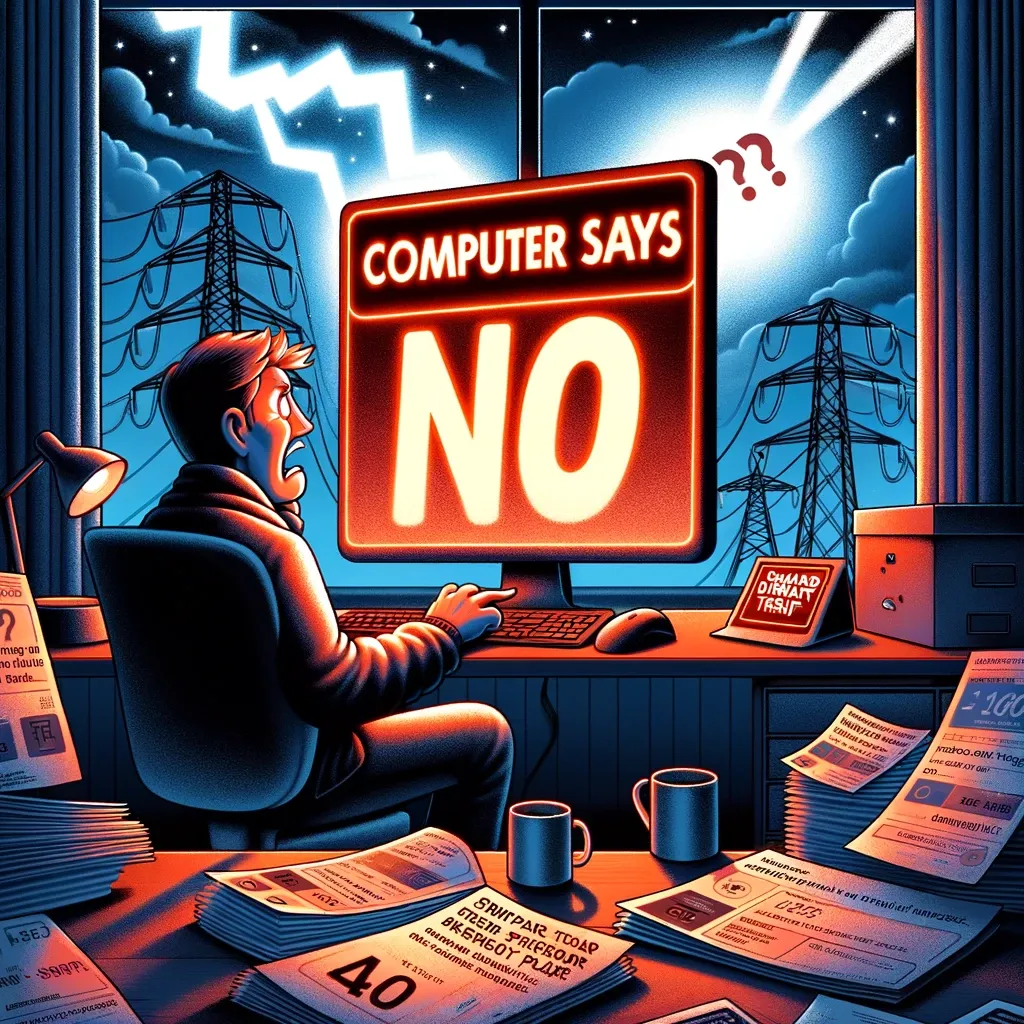
The complexity of demand tariffs is particularly challenging for vulnerable consumers, including those with health issues, disabilities, or limited ability to shift their electricity usage patterns. Many customers report being moved onto demand tariffs without their explicit consent following the installation of a smart meter, leading to bill shock and confusion.
Are We Moving in the Right Direction?
IPART's findings raise important questions about whether demand tariffs are achieving their intended purpose. While these tariffs are designed to encourage more efficient use of the electricity network by incentivising customers to reduce their peak demand, the evidence suggests they may instead be leading to higher bills and customer confusion.
Regulatory Response
In response to these challenges, several important changes are being considered:
The NSW Government has committed to prohibiting retailers from automatically assigning customers to demand tariffs without explicit informed consent.
The Australian Energy Market Commission is reviewing consumer safeguards, including proposals to require customer consent for tariff changes following smart meter installations.
There are calls for urgent improvements to comparison tools like Energy Made Easy to help consumers better understand and compare demand tariff plans.
Looking Ahead
As we progress toward 100% smart meter coverage by 2030, the way we pay for electricity will continue to evolve. While demand tariffs may play a role in managing network costs and encouraging more efficient energy use, significant improvements are needed in how these tariffs are implemented and communicated to consumers.
For consumers currently on or considering a demand tariff, it's crucial to:
Understand your usage patterns, particularly during peak periods
Consider whether you can realistically adjust when you use high-energy appliances
Carefully review all components of a plan's charges, not just the usage rates
Seek clear information from retailers about how demand charges are calculated and applied
The transition to more complex electricity pricing structures like demand tariffs reflects the changing nature of our electricity system. However, it is clear that without better tools, information, and consumer protections, these changes risk leaving many consumers worse off rather than better off.
The market for renewable energy certificates in Australia is currently in freefall. Prices are dropping like a stone, making the cost of being green much cheaper for your retailer. Make sure it gets cheaper for you, too.
The Australian Energy Market Commission (AEMC) is officially starting its Accelerating Smart Meter Deployment (ASMD) reforms. If you don’t already have a smart meter, you will by the end of 2030.
There is a market-wide price reset that takes effect from 1 July every year. Your switching decisions through this transition depend on a few key factors. Here's a detailed breakdown to help guide your decision.
Savings as a Service is the blog site and newsletter from Bill Hero. Subscribe now and get your energy savings tips and information delivered fresh to your inbox every month.