The market for renewable energy certificates in Australia is currently in freefall. Prices are dropping like a stone, making the cost of being green much cheaper for your retailer. Make sure it gets cheaper for you, too.
The Australian Energy Market Commission (AEMC) is officially starting its Accelerating Smart Meter Deployment (ASMD) reforms. If you don’t already have a smart meter, you will by the end of 2030.
As the Australian autumn deepens in May, cooler temperatures and shorter days bring new challenges and opportunities for home energy efficiency. With winter on the horizon, preparing your home now can lead to significant energy and cost savings. In this guide, we explore practical and effective tips to enhance your home’s energy efficiency during this transitional month, ensuring your home remains comfortable, environmentally friendly, and economically run.
Preparing for the Chill: Immediate Steps
1. Fine-Tune Your Heating System
Before the cold fully sets in, ensure your heating system is in top shape. Service your furnace, heat pump, or boiler to improve efficiency and prevent mid-winter failures. Replace filters or clean reusable ones to ensure optimal airflow and efficiency.
2. Embrace Smart Thermostat Technology
Installing a smart thermostat can lead to significant energy savings. These devices optimize heating by adjusting temperatures based on your daily schedule and weather conditions, ensuring you use energy only when necessary. Set your thermostat to lower temperatures when you are asleep or away from home.
Draughts can increase your heating costs substantially. Use weather-stripping and caulk to seal gaps around doors, windows, and any other areas where cold air might enter. This simple measure can prevent heat loss and reduce your heating needs.
Thermal curtains can be a great investment for keeping the warmth in and the cold out, especially at night. During the day, open curtains on north-facing windows to allow natural sunlight to heat your home,to 60°C to ensure safety while and close them as soon as it gets dark to preserve the warmth.
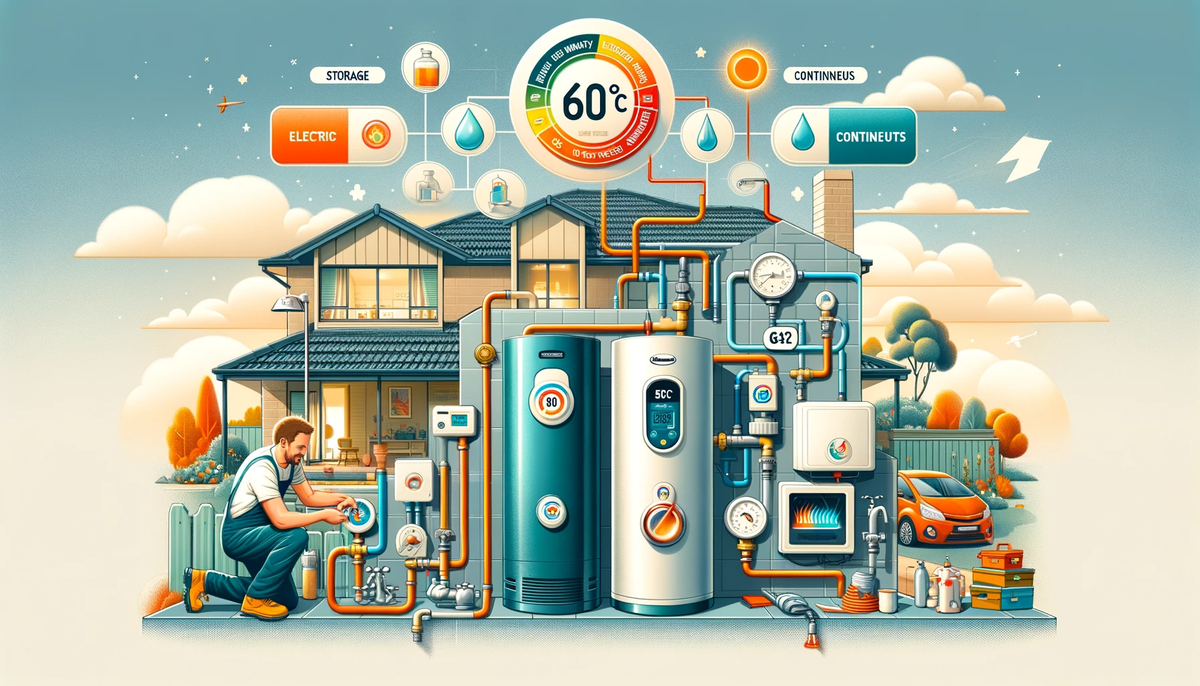
Water heating accounts for a significant portion of energy costs in Australian homes. Set your water heater to 60°C to ensure safety while optimizing energy use. Consider wrapping older models with an insulating blanket to reduce heat loss and lowering the temperature setting when you’re away for extended periods.
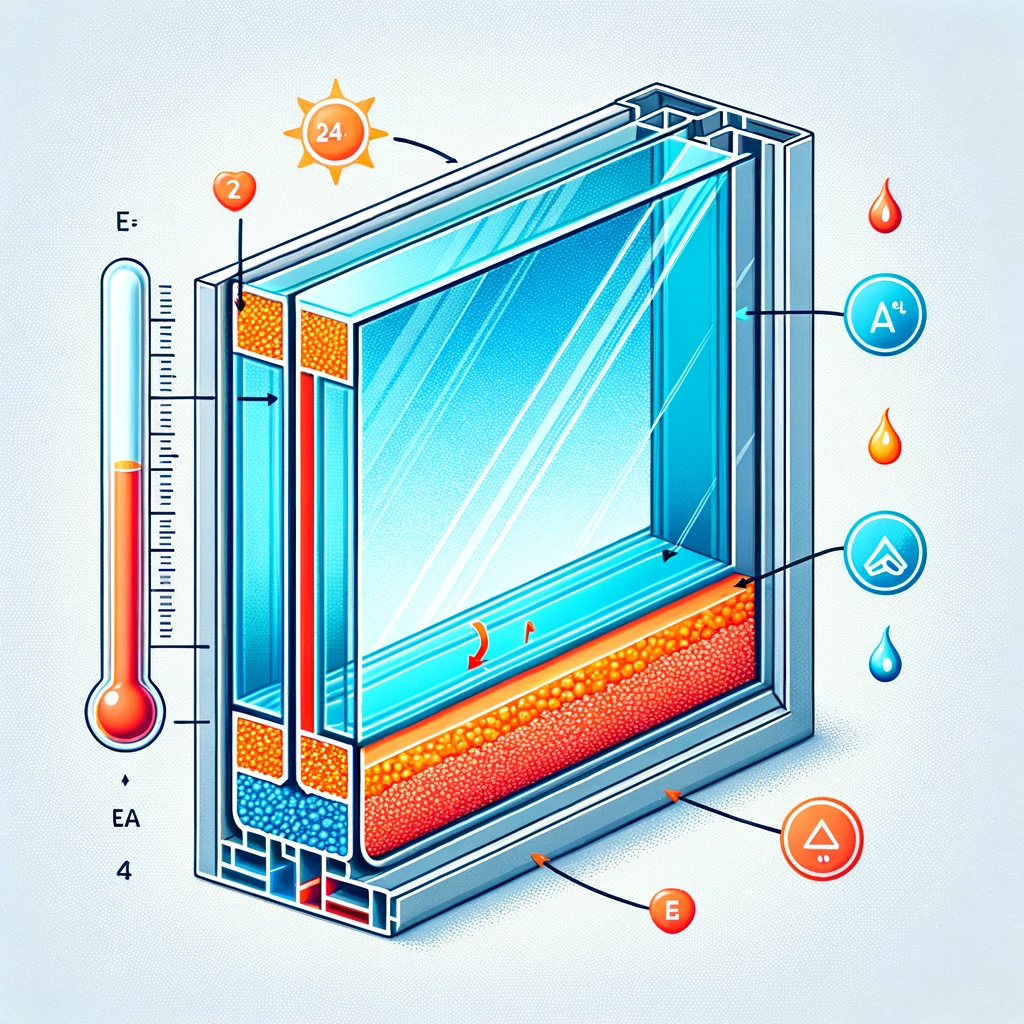
If your home has older, single-pane windows, upgrading to double-glazed or energy-efficient windows can significantly reduce heat loss during the cooler months and heat gain during summer. This upgrade can improve your home’s comfort and reduce heating and cooling costs.
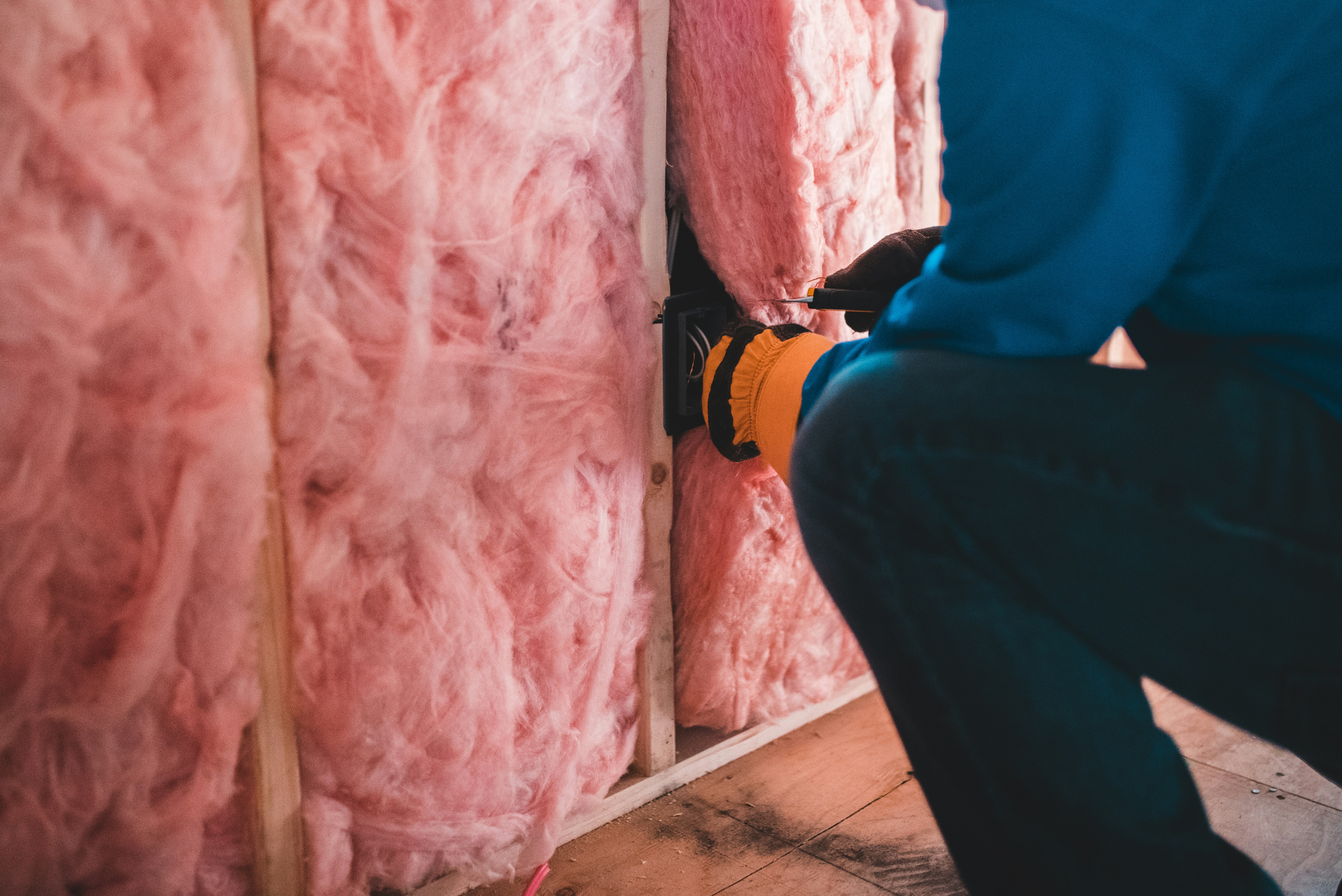
Proper insulation is one of the most effective ways to maintain your home's temperature. Check and upgrade the insulation in your attic, walls, and floors. This will keep your home warmer in the winter and cooler in the summer, reducing the need for heating and cooling.
May is a good month to plan for solar panel installation as the days start to shorten. Solar panels can provide significant energy savings by generating your own electricity and leveraging government rebates and feed-in tariffs.
SolarQuotes
Bill Hero has partnered with SolarQuotes, the leading Solar quote provider in Australia, to help you get up to 3 no obligation solar quotes from fully qualified installers, absolutely for free.
Heat pumps are highly efficient systems that can heat and cool your home. They work most efficiently in moderately cold or warm climates, making them an excellent choice for many parts of Australia.
5. Regular Maintenance
Establish a routine for checking and maintaining your home’s energy systems. This includes cleaning solar panels, servicing your HVAC system, and ensuring your home’s exterior is in good condition to handle the winter months.
May Energy Efficiency Checklist
Service heating systems before winter begins.
Install or program a smart thermostat to reduce energy usage.
Seal drafts around windows and doors to keep warmth in.
Use thermal curtains to add an extra layer of insulation.
Check and adjust your water heater to ensure it’s set at a safe and efficient temperature.
Sustainability and Cost Efficiency
Focusing on energy efficiency not only helps in reducing utility bills but also contributes to a sustainable environment. By implementing these measures, homeowners can play a crucial part in reducing carbon footprints and promoting a healthier planet.
Community and Government Incentives
Explore community programs and government incentives available for energy-efficient upgrades in your area. Many local governments offer rebates for installing insulation, energy-efficient windows, and renewable energy systems.
Conclusion
May is a pivotal month for preparing your Australian home for the cooler weather ahead. By taking proactive steps now, you can ensure your home is warm, comfortable, and energy-efficient throughout the winter. Start with immediate, simple actions and plan for the longer-term investments that will provide continuous benefits. Each step you take not only enhances your living space but also supports broader environmental goals. Let this May be the start of a more energy-efficient and sustainable home.
Have your say
Got opinions about energy savings in May? Have your say in the comments, but please first read and understand our Community Guidelines.
Eliminating gas can reduce fuel costs, deliver health and environmental benefits, while future-proofing your home. Here’s your comprehensive guide to getting rid of gas from your home.
Savings as a Service is the blog site and newsletter from Bill Hero. Subscribe now and get your energy savings tips and information delivered fresh to your inbox every month.