The market for renewable energy certificates in Australia is currently in freefall. Prices are dropping like a stone, making the cost of being green much cheaper for your retailer. Make sure it gets cheaper for you, too.
The Australian Energy Market Commission (AEMC) is officially starting its Accelerating Smart Meter Deployment (ASMD) reforms. If you don’t already have a smart meter, you will by the end of 2030.
We’re in the final third of winter! Here are our tips to help you improve energy efficiency in your home immediately and prepare for the hotter months ahead.
Winter's chilly grip begins to loosen in August, presenting a unique opportunity to focus on energy efficiency in our homes. It may seem like a dream, but warmer weather is on the horizon, and now is a good time to implement strategies to save energy immediately, and prepare for the heat of summer. This article provides a comprehensive guide to maximising energy efficiency in Australian homes during August, offering both immediate solutions and long-term investments.
Quick wins to improve energy efficiency
Optimise Heating
The easiest and simplest heating optimisation strategy has three main steps:
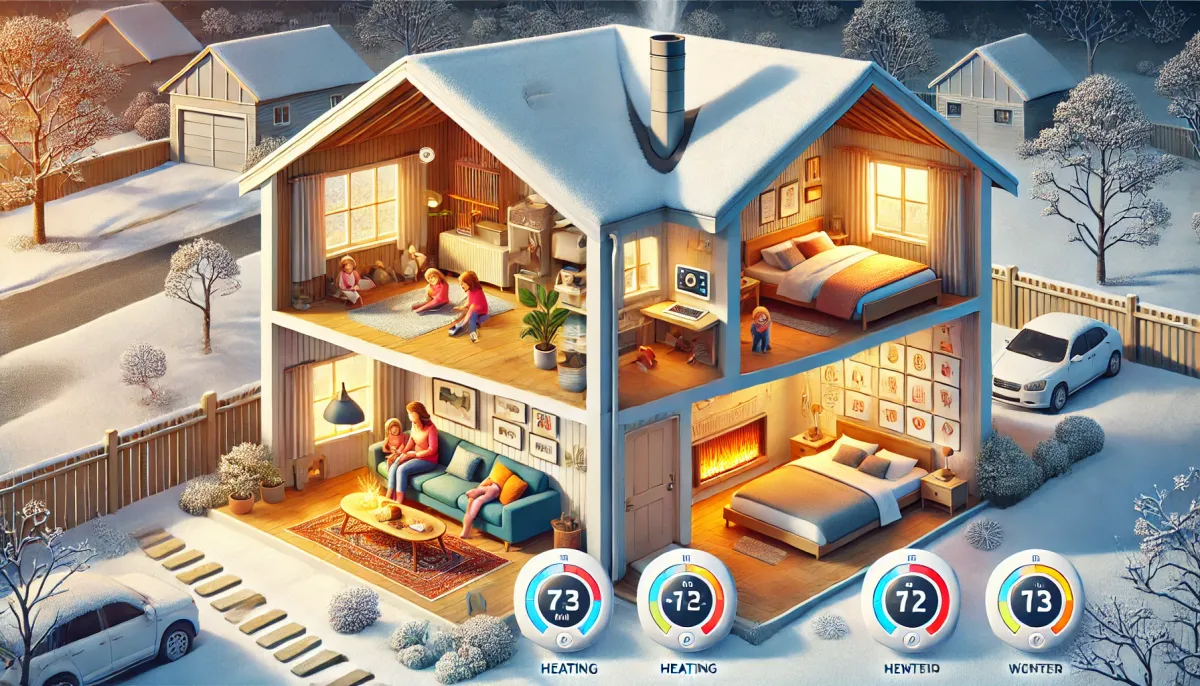
Close doors and stop draughts so you'll heat only the minimal area in your home that you actually use
Dial down your thermostat to maintain an acceptable moderate temperature
Make sure your heating system is well maintained so it can perform efficiently.
It's tempting to dial up the heating on a cold day, but remember that every extra degree of heat in your home can cost an additional 10% on your energy bills, and also consider that temperature ramp-up makes your heating system work hard, which will limit its lifespan.
If you live in a place where temperatures plunge overnight, it can be more efficient to leave the system running overnight, but set to a low temperature - say at or below 16°C. This will mean that your system won't need to work so hard to bring the temperature up from near zero in the mornings,
Whatever you might set your overnight temperature to, set thermostats to no more than 20°C for good energy efficiency. That's warm enough to beat the chill; all you'll need is an extra layer to stay snug. Every degree of heat costs money.
Probably the easiest and most effective maintenance task is also the most commonly ignored: cleaning your heating system filters.
When was the last time you cleaned the filters in your reverse-cycle air-conditioning unit?
The more dust that builds up on the filter, the less air can get through and the more expensive your system is going to be to run.
For optimal performance, you should clean your filters every two or three weeks. It might sound like a lot of work, but it's actually very easy.
You can dust off the filters with a soft brush, use the brush nozzle on your vacuum cleaner, or wash them in warm, soapy water and dry them in the sun.
Harness Natural Warmth
Make the most of whatever warmth is available by opening curtains and blinds during sunny days to let natural heat in, then close them immediately at sunset to retain warmth.
Replace any remaining incandescent bulbs with LED alternatives. Maximize natural light during the day, and install motion sensors for outdoor lighting.
Use lids on pots and pans to reduce cooking times.
Opt for smaller appliances like slow cookers or electric pressure cookers for energy-efficient meal preparation, and plan meals that don't require the oven.
Continue wearing warm clothing indoors to reduce reliance on heating, and use throws and blankets in living areas for added warmth without increasing energy use.
Long-Term Strategies for Sustained Efficiency
Insulation Upgrades
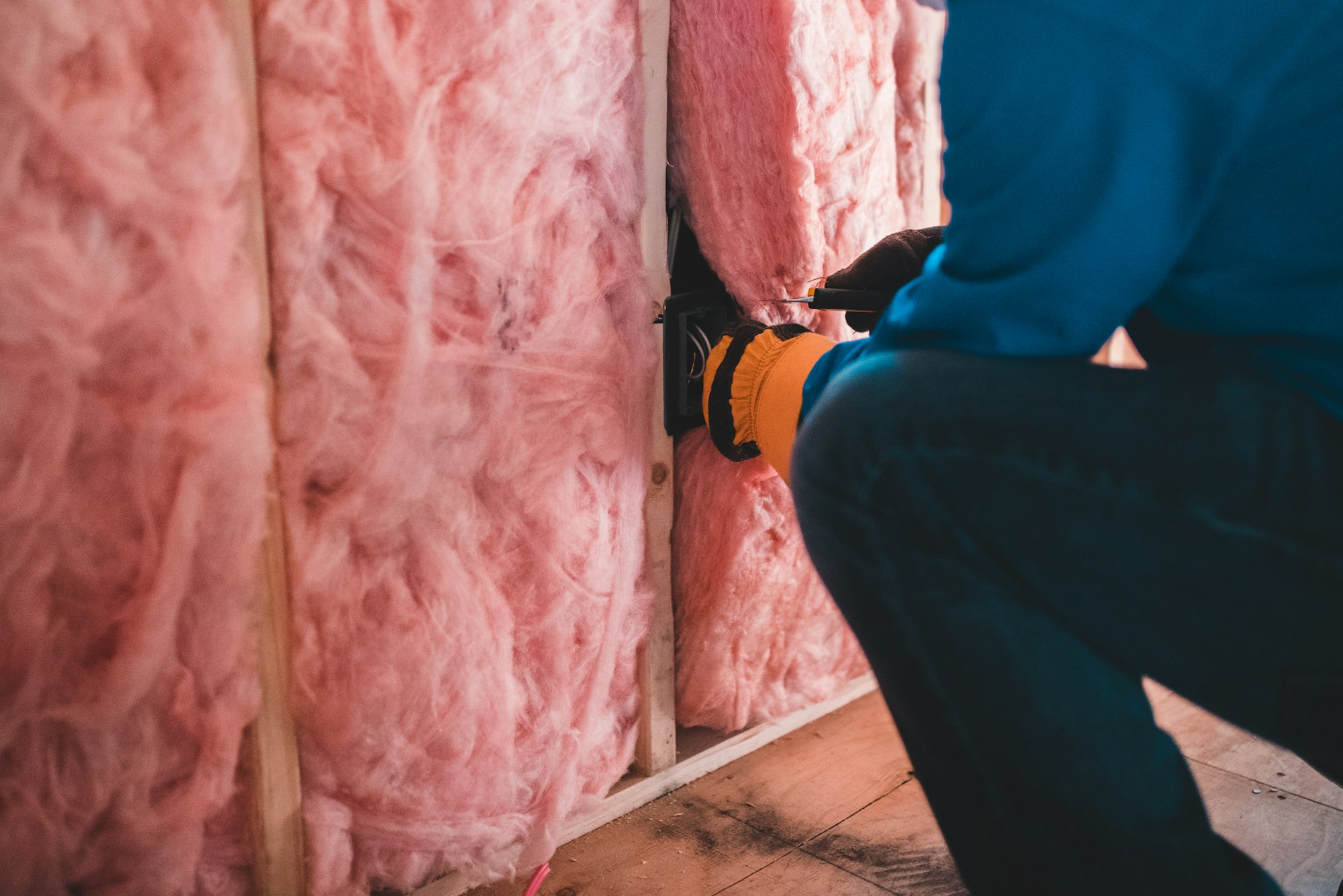
Assess your home's insulation in the roof, walls, and floors, and consider adding or upgrading insulation to meet current standards.
Don't forget to insulate hot water pipes to minimize heat loss.
August is an excellent time to plan for solar panel installation - if you get on with it now, you can be up and running during the peak solar generation months of summer.
Research government incentives and rebates available for solar systems.
Consider battery storage options to maximize the benefits of your solar installation.
SolarQuotes
Bill Hero has partnered with SolarQuotes, the leading Solar quote provider in Australia, to help you get up to 3 no obligation solar quotes from fully qualified installers, absolutely for free.
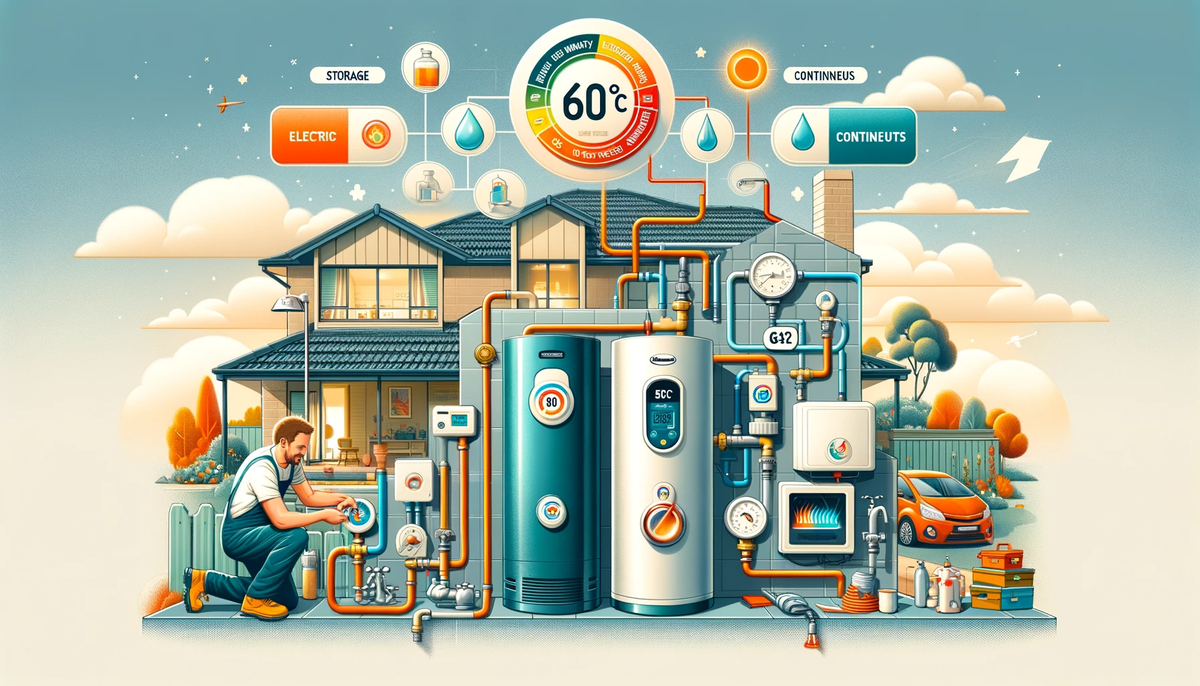
Consider replacing old electric storage systems with heat pump or solar hot water systems. These can significantly reduce energy consumption for water heating.
Plan and plant deciduous trees on the northern side of your home for natural shading in summer, while still letting light and warmth through in winter.
Create windbreaks with dense plantings on the southern side to protect from cold winter winds.
Landscaping for energy efficiency can take years to really pay off, but it's a very effective strategy that will deliver increasing returns into the future.
Preparing for the Warmer Months Ahead
Air Conditioning Maintenance
Schedule a professional service for your air conditioning system before summer hits.
Natural Ventilation
Install or repair flyscreens on windows and doors to allow for natural ventilation without insects.
Consider installing ceiling vents or whirlybirds to improve air circulation and reduce heat buildup in the roof space.
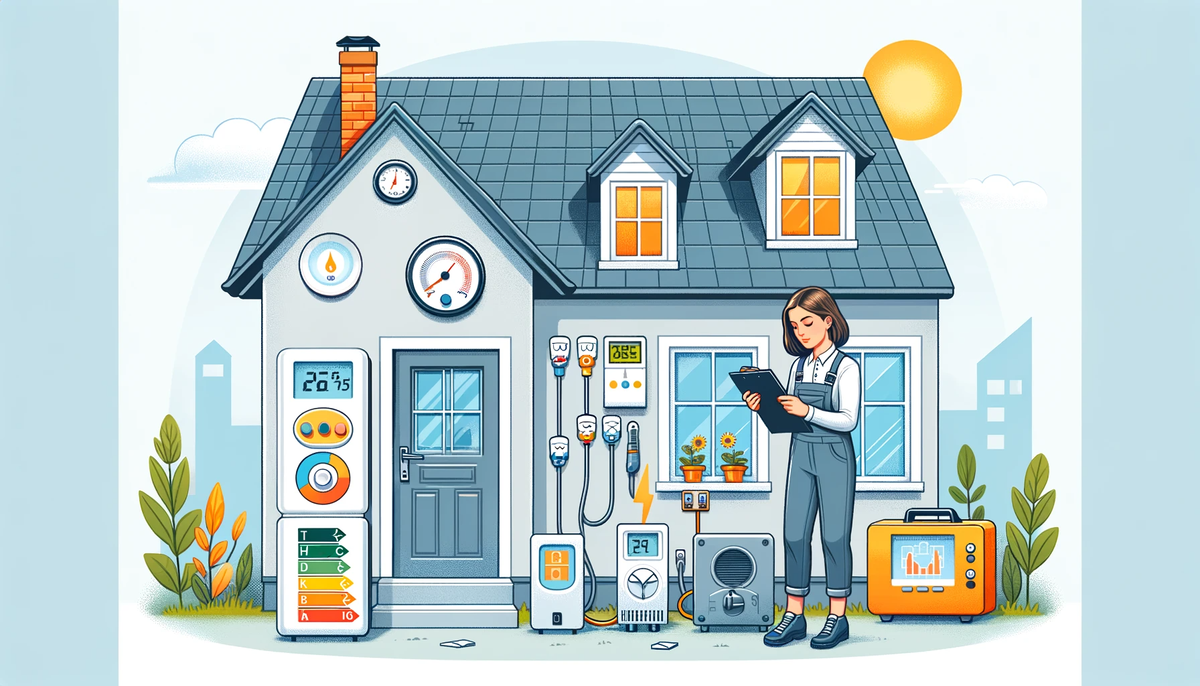
Use smart meters or energy monitoring devices to track your consumption. Regularly review and adjust your energy-saving strategies based on the data.
Stay Informed
Keep up-to-date with new energy-saving technologies and practices. Attend local workshops or webinars on home energy efficiency.
Conclusion
August and September are transitional months for energy efficiency in Australian homes, offering the chance to achieve immediate savings and set yourself up with longer-term strategies. By focusing on a mix of behaviour changes, smart upgrades, and forward-thinking investments, you can significantly reduce your energy consumption and costs.
Have your say
Got opinions about energy efficiency strategies in August? Have your say in the comments, but please first read and understand our Community Guidelines.
Eliminating gas can reduce fuel costs, deliver health and environmental benefits, while future-proofing your home. Here’s your comprehensive guide to getting rid of gas from your home.
Savings as a Service is the blog site and newsletter from Bill Hero. Subscribe now and get your energy savings tips and information delivered fresh to your inbox every month.