The market for renewable energy certificates in Australia is currently in freefall. Prices are dropping like a stone, making the cost of being green much cheaper for your retailer. Make sure it gets cheaper for you, too.
The Australian Energy Market Commission (AEMC) is officially starting its Accelerating Smart Meter Deployment (ASMD) reforms. If you don’t already have a smart meter, you will by the end of 2030.
Welcome to the final post for 2024 from the Bill Hero newsletter Savings as a Service. We think it's fitting to close out the year with the news that ACCC has just published the 12th, and penultimate report in its multi-year inquiry into the retail energy market, in which it has encountered the Loyalty Tax, probably our favourite energy industry price-gouging strategy. We like this one so much that we registered loyaltytax.com.au as a domain name.
The evidence is clear that energy retailers offer better prices to attract new customers than what they charge to their existing customers, and they rely on energy consumer inertia to get away with this.
How to beat the loyalty tax
The strategy to beat the retail energy loyalty tax is very simple. All you need to do is constantly monitor your bills, deciphering the increasingly complicated charging models – now including demand charges, seasonal charges, stepped rates and other complexities – while also remaining permanently vigilant in scanning the full market of offers available to you, then switch whenever your detailed comparative calculations tell you that savings are available.
Of course, this simple strategy is practically impossible to execute unless you're a very motivated energy nerd with a lot of time on your hands.
That's where Bill Hero comes in. We're your outsourced energy nerds, and we constantly monitor your energy bills against the entire retail energy market to identify immediately when a better-priced plan is available.
🎁
Use the promo code LOYALTYTAX at the checkout to get a 10% discount
Subscribe to Bill Hero
Your energy retailer relies on you finding energy comparison too hard, too boring, too frustrating and too annoying. They like it that way because it lets them make $1b in unearned extra revenue every year.
Bill Hero will make sure none of that comes out of your wallet.
Not a subscriber yet? What are you waiting for! Never overpay for energy again!
The key finding is that retail electricity prices actually declined through 2024, but most households have not benefited from this, because retailers do not pass through price reductions to existing customers.
More than 80 per cent of Australian households in the National Electricity Network (NEM) could move to a cheaper electricity plan if they shopped around.
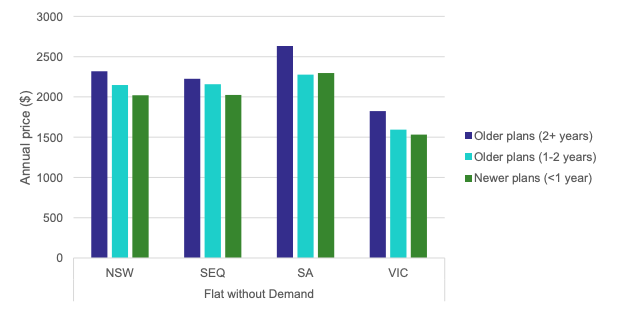
According to ACCC analysis, households on offers that are more than a year old are paying a loyalty tax to the tune of $238 more per year than households on newer offers, and the size of this loyalty tax increases with the age of the offer.
Residential customer weighted average annual prices for newer and older offers by region, 2024
Demand Tariffs drive higher prices
Pricing in the retail electricity market is becoming more complex as more customers are on time of use or demand tariffs. There are also more customers on offers with multiple complex pricing elements, who may find it challenging to respond to these complicated price signals.
The increasing complexity in pricing as the smart meter rollout continues, presents a real challenge to consumers who are trying to reduce their electricity bills
The report found that customers on demand offers had higher calculated annual prices, with 51 per cent of these customers on offers priced at or above the government safety net price.
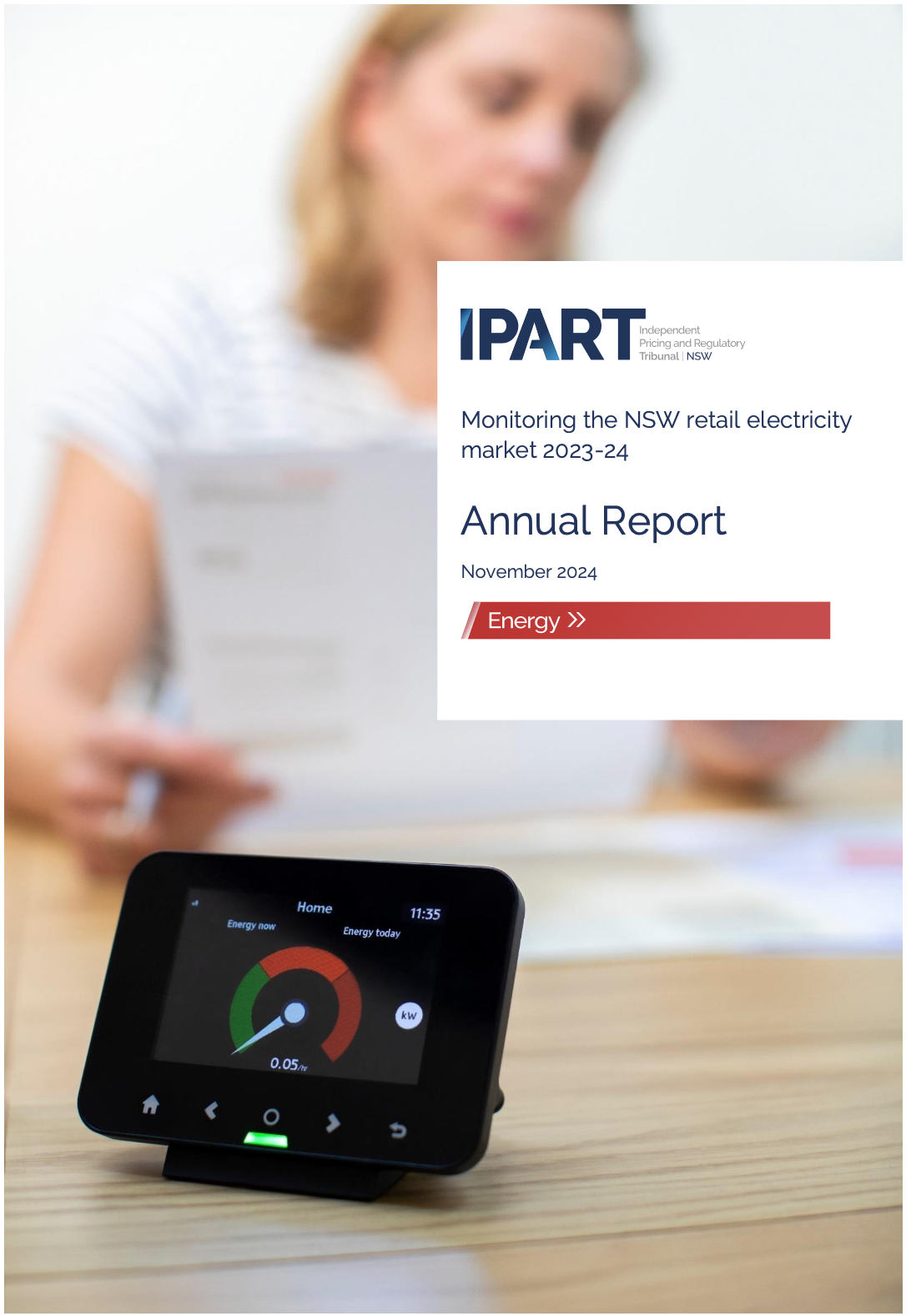
This finding from the ACCC reinforces the same result from IPART in NSW.
Given this growing evidence, it remains scandalous that the official sources of consumer assistance cannot help energy consumers with comparisons of their demand plans.
The market for renewable energy certificates in Australia is currently in freefall. Prices are dropping like a stone, making the cost of being green much cheaper for your retailer. Make sure it gets cheaper for you, too.
The Australian Energy Market Commission (AEMC) is officially starting its Accelerating Smart Meter Deployment (ASMD) reforms. If you don’t already have a smart meter, you will by the end of 2030.
There is a market-wide price reset that takes effect from 1 July every year. Your switching decisions through this transition depend on a few key factors. Here's a detailed breakdown to help guide your decision.
Savings as a Service is the blog site and newsletter from Bill Hero. Subscribe now and get your energy savings tips and information delivered fresh to your inbox every month.